
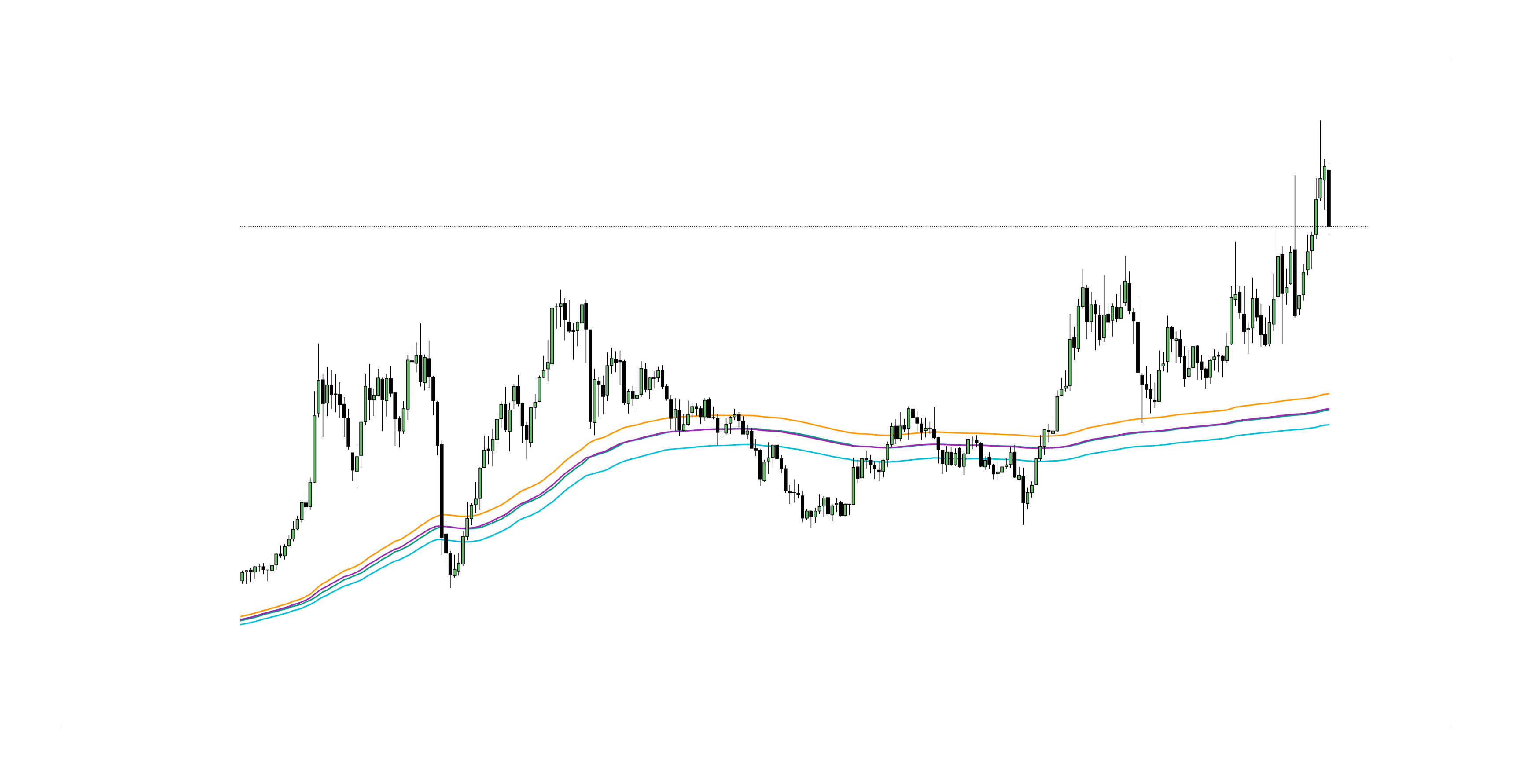
Buying the dip is a trading strategy where you take advantage of temporary price drops in an overall uptrend. The goal is simple: enter the market at a lower price before it resumes its upward move. It sounds easy, but knowing when and how to do it makes all the difference. In this guide, we'll explore key setups, ideal market conditions, and smart risk management techniques to help you trade dips like a pro.
1. Understanding Market Structure
Before jumping into a trade, it's crucial to understand how price moves. A strong uptrend is characterized by higher highs and higher lows—this is where buying dips can be very profitable. But beware: not every drop is a buying opportunity. Some dips are part of a pullback, a temporary retracement before the trend resumes, while others signal a complete reversal—the last thing you want to buy into.
Key levels to watch include support zones, Fibonacci retracement levels, and high-volume areas. These zones act as potential turning points where the price is likely to bounce.
2. Proven Setups for Buying the Dip
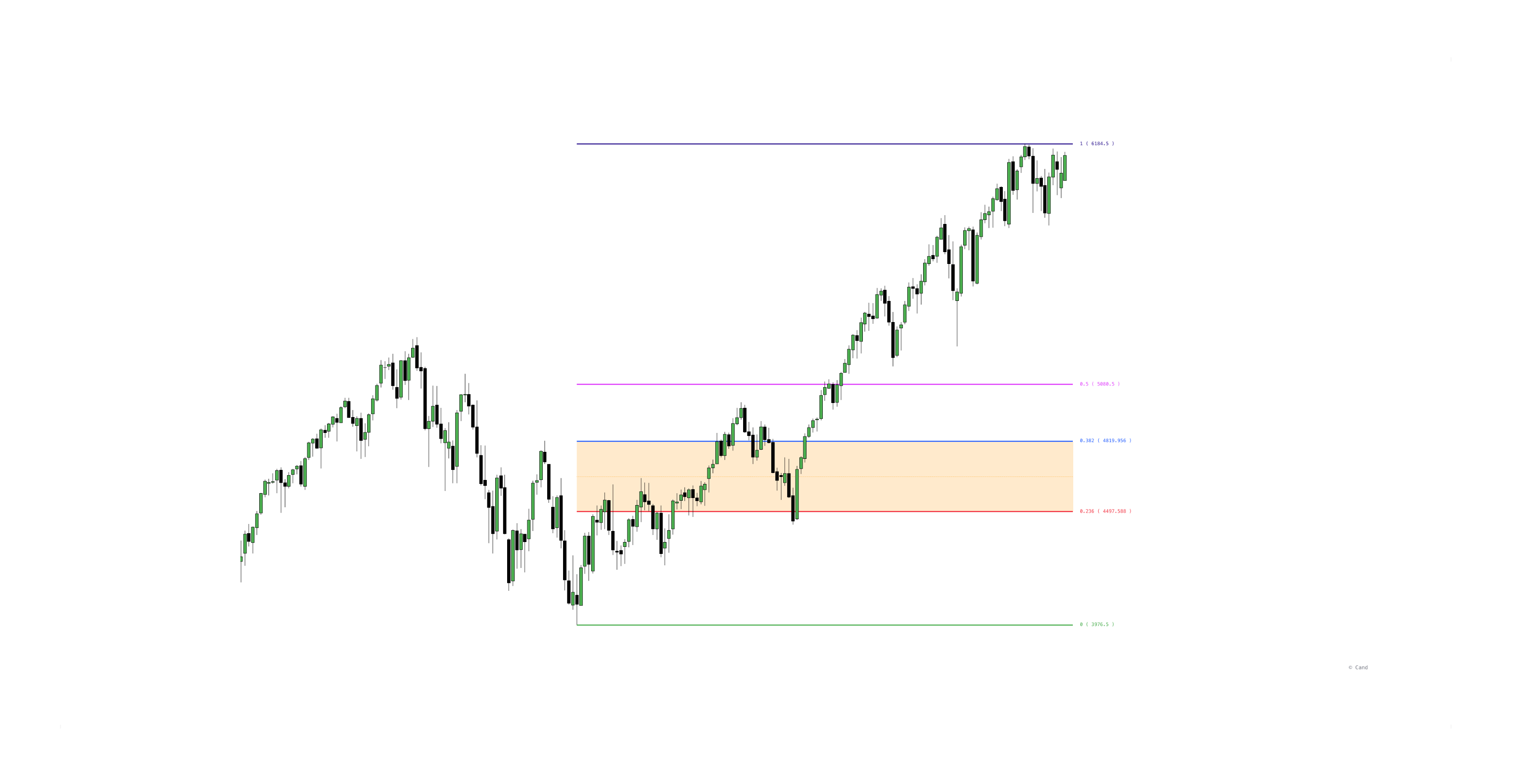
Fibonacci Retracement Support
When the price pulls back within a strong trend, it often lands on key Fibonacci levels like 38.2%, 50%, or 61.8%. These act as natural support points where buyers step in. If a strong bullish candle appears at one of these levels, it can signal a solid dip-buying opportunity.
Liquidity Grab
Combine this with an oversold RSI and rising volume, and you have a strong case for entry.
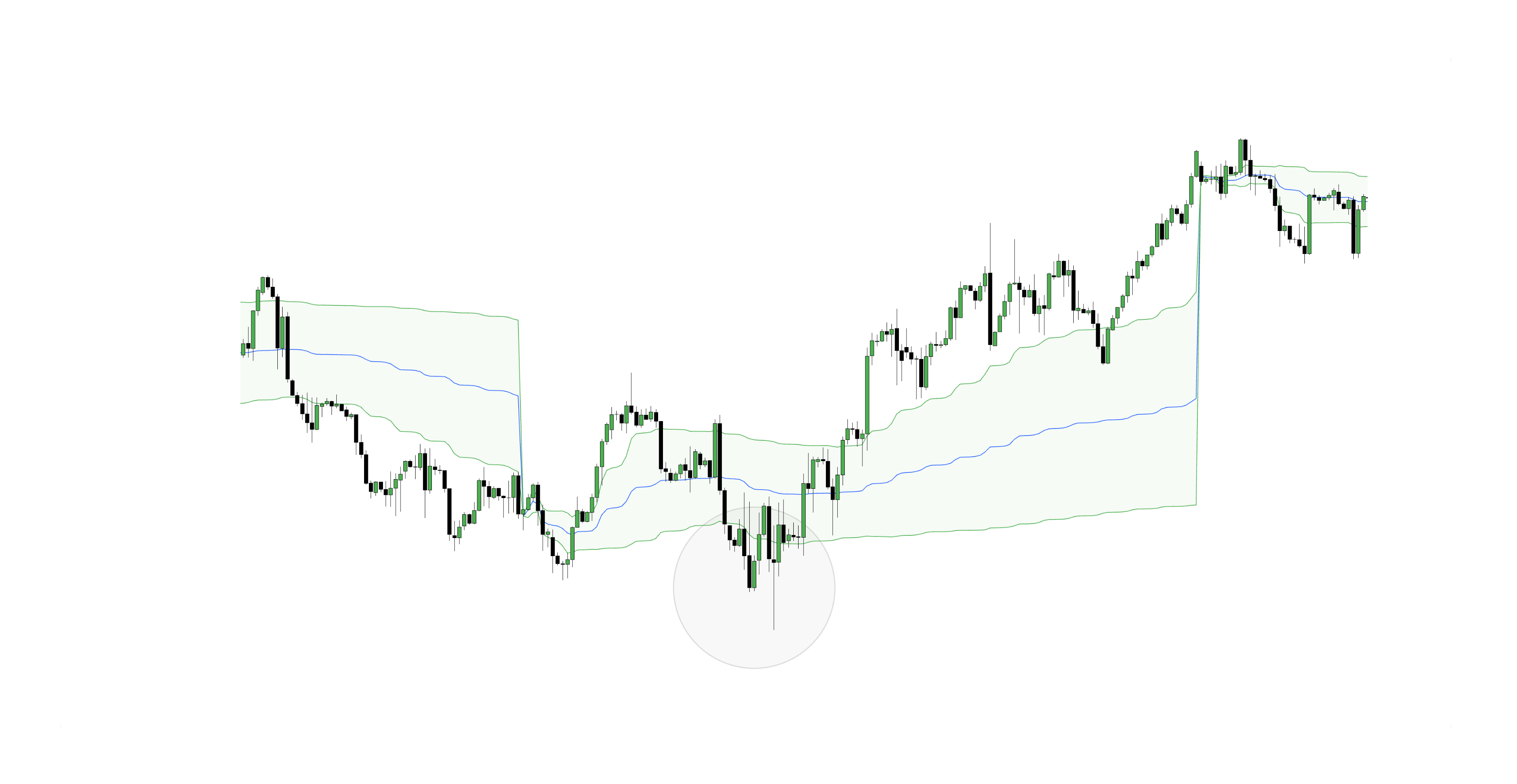
Liquidity Grab (Stop Hunt)
Markets love to shake out weak hands. Sometimes, the price dips below a previous low, triggering stop-loss orders before reversing sharply. This is called a liquidity grab—smart money accumulates positions while retail traders panic.
Previous Range Support
If the price quickly reclaims the level it just broke, it's a strong buy-the-dip signal. Look for big buy orders, a sharp recovery, and bullish candlesticks to confirm entry.
Anchored VWAP Test
Institutions often base their trades around VWAP (Volume Weighted Average Price), especially when anchored from a significant swing low. When the price revisits this VWAP in a strong uptrend, it's a potential dip-buying zone.
Point of Control Revisit
Watch for bounces off VWAP, rising volume, and confluence with other support levels for confirmation.
Point of Control (POC) Revisit
Markets move towards areas of high liquidity. If the price revisits the Point of Control (POC)—the price level where most volume is traded in a range—it often serves as strong support.
Fibonacci Retracement Support
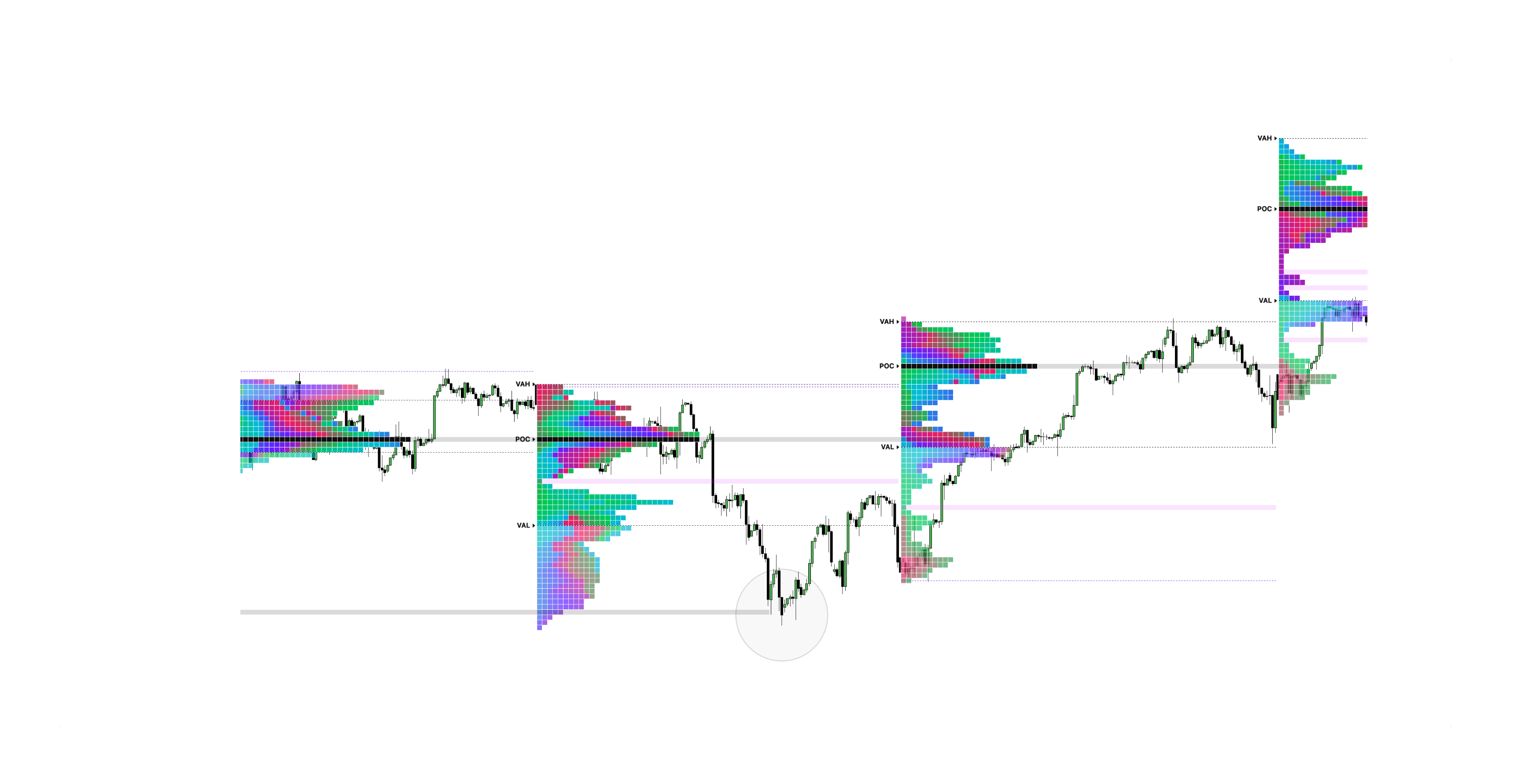
When price pulls back into the POC and finds buying interest, it's a great spot to enter. Look for strong reactions, failed attempts to move lower, and confluence with Fibonacci levels.
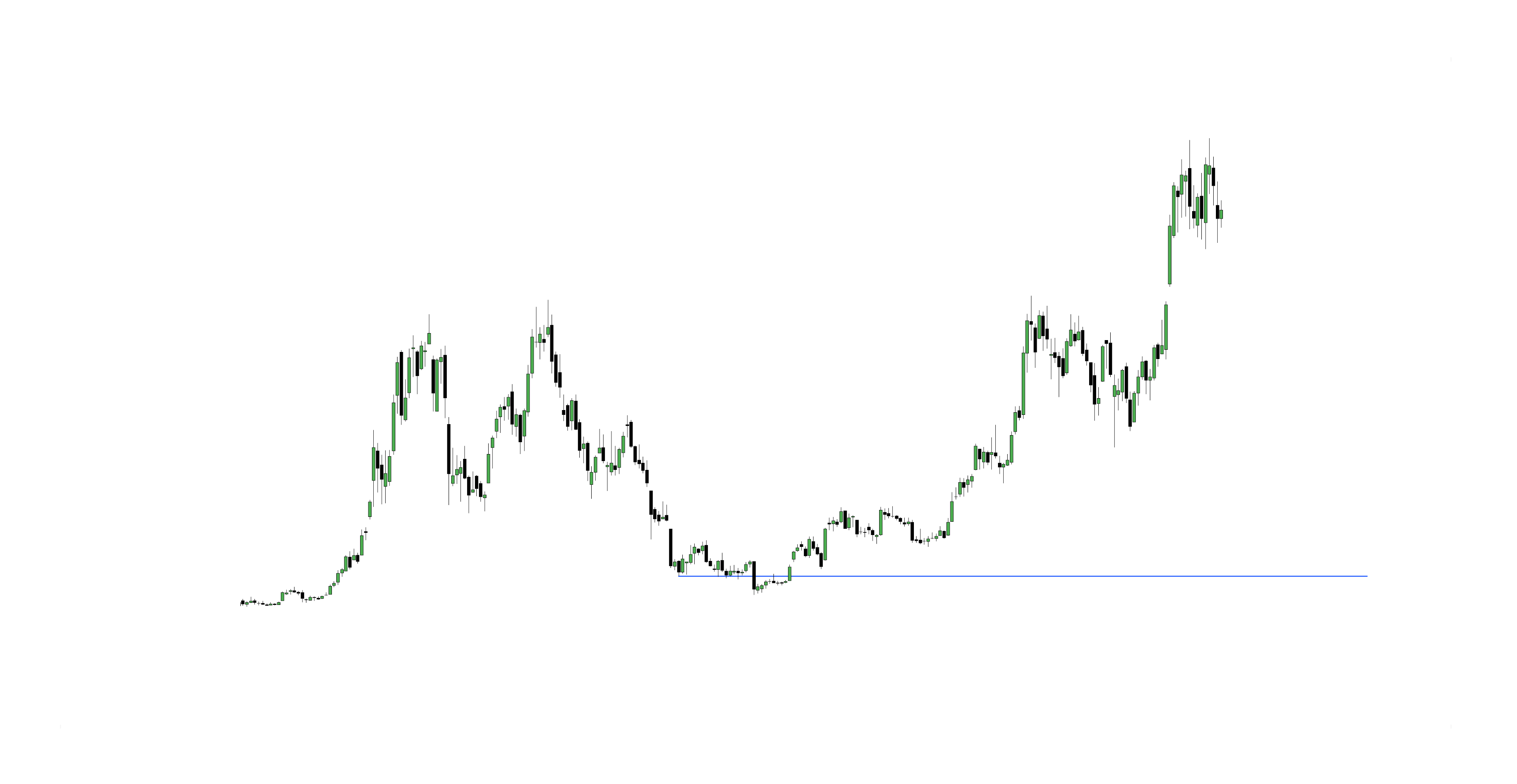
Previous Range Support
A breakout from a trading range is significant, but the price often returns to retest the range high as new support before continuing higher. If this happens on low selling pressure and aligns with moving averages or VWAP, it can be a golden buy-the-dip opportunity.
Anchored VWAP Test
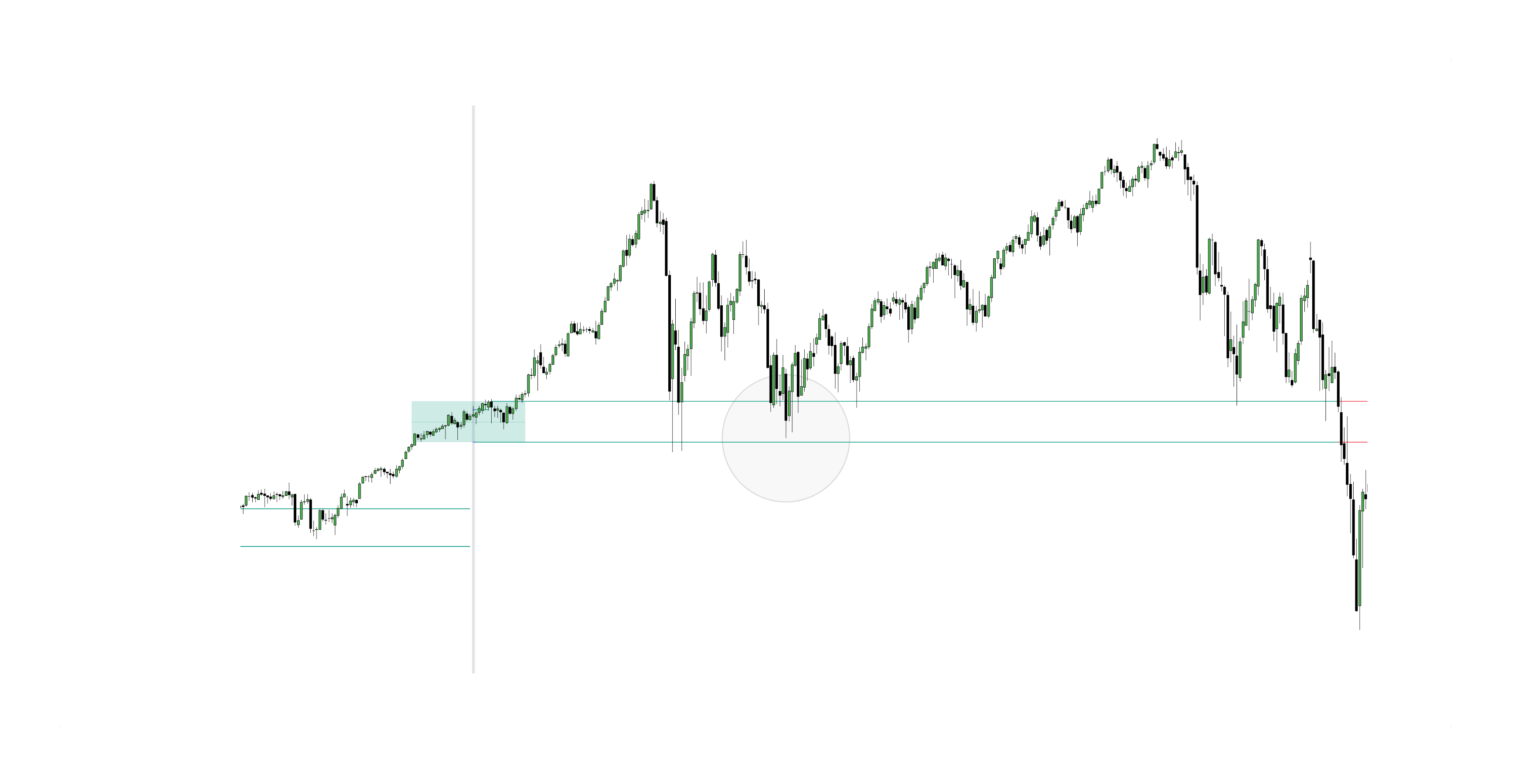
Look for bullish reactions, buying volume, and strong candles off the level.
3. When Buying the Dip Works Best
Not all dips are worth buying. The best setups occur when:
- The market is in a strong uptrend, making higher highs consistently.
- Volume is high, showing that buyers are stepping in.
- Macro conditions support upside movement, like favorable economic news.
4. Risk Management: Protecting Your Capital
Even the best traders take losses. What matters is how you manage risk:
- Set a Stop Loss: Always place a stop below key support levels.
- Position Sizing: Never risk more than a small portion of your capital per trade.
- Have an Exit Plan: Know where you'll take profits, whether it's at a resistance level or a trailing stop.
- Scale In and Out: Enter gradually instead of all at once, and take profits along the way to lock in gains.
Key Takeaways
Buying the dip can be a powerful strategy—when done correctly. The key is patience: wait for strong trends, allow price to reach significant levels, and confirm with volume and momentum. Combine technical analysis with solid risk management, and you'll improve your chances of success in the markets. Happy trading!