
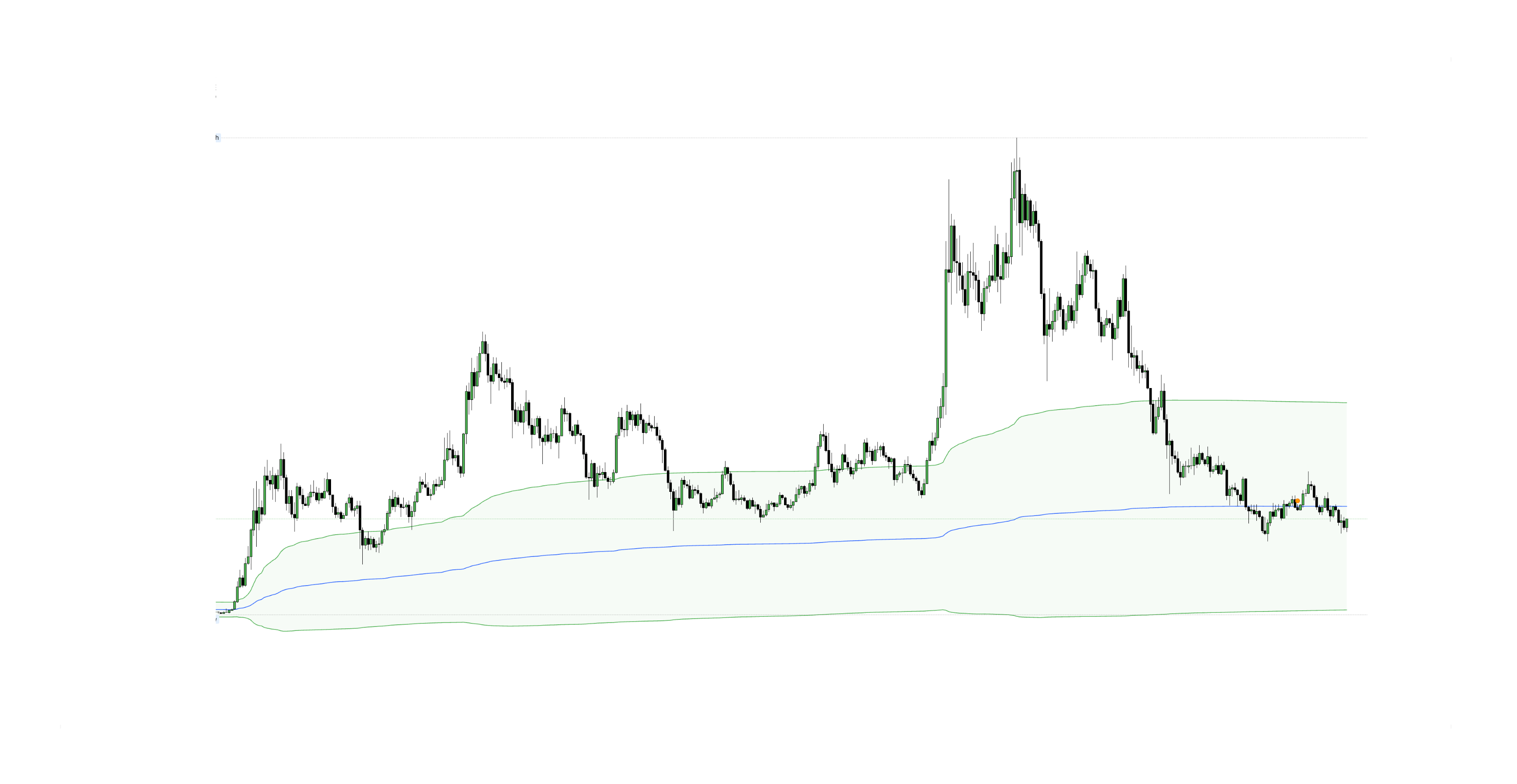
What is VWAP?
VWAP is a price benchmark that gives more importance to prices where higher trading volume occurs. Unlike simple moving averages, which treat each price point equally, VWAP provides a volume-weighted perspective, making it more representative of market activity.
VWAP Overview
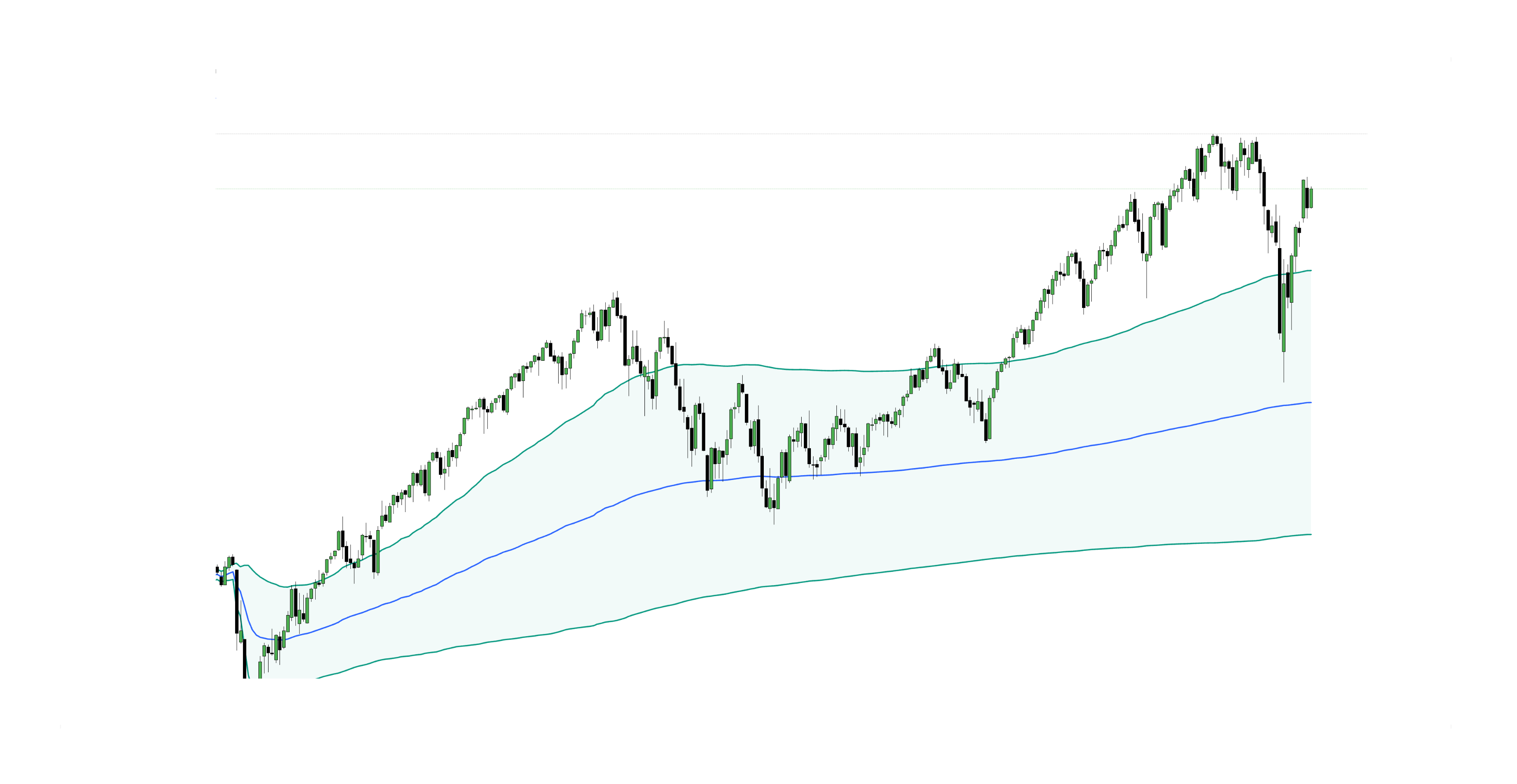
Traders use VWAP to gauge market trends, confirm trade entries and exits, and measure the quality of executions relative to the market's liquidity.
How Institutional Traders Use VWAP
Large financial institutions and mutual funds execute large orders over time to minimize their market impact.
VWAP helps them:
- Achieve better execution by ensuring their orders are filled at a price close to the session's average.
- Reduce market impact by avoiding aggressive buying or selling at extreme price points.
- Gauge liquidity and time their orders efficiently.
Role of VWAP in Algorithmic Trading
VWAP is integral to algorithmic trading strategies that automate order execution.
Algorithms use VWAP in:
- VWAP Trading Strategies: Algorithms execute orders in line with VWAP to avoid moving the market.
- Mean Reversion Trading: Traders look for deviations from VWAP, buying when the price is below and selling when it is above.
- Liquidity-Based Order Execution: Algorithms track VWAP to execute trades more efficiently, particularly in high-frequency trading (HFT).
Why VWAP is a Critical Benchmark for Intraday Traders
VWAP Intraday
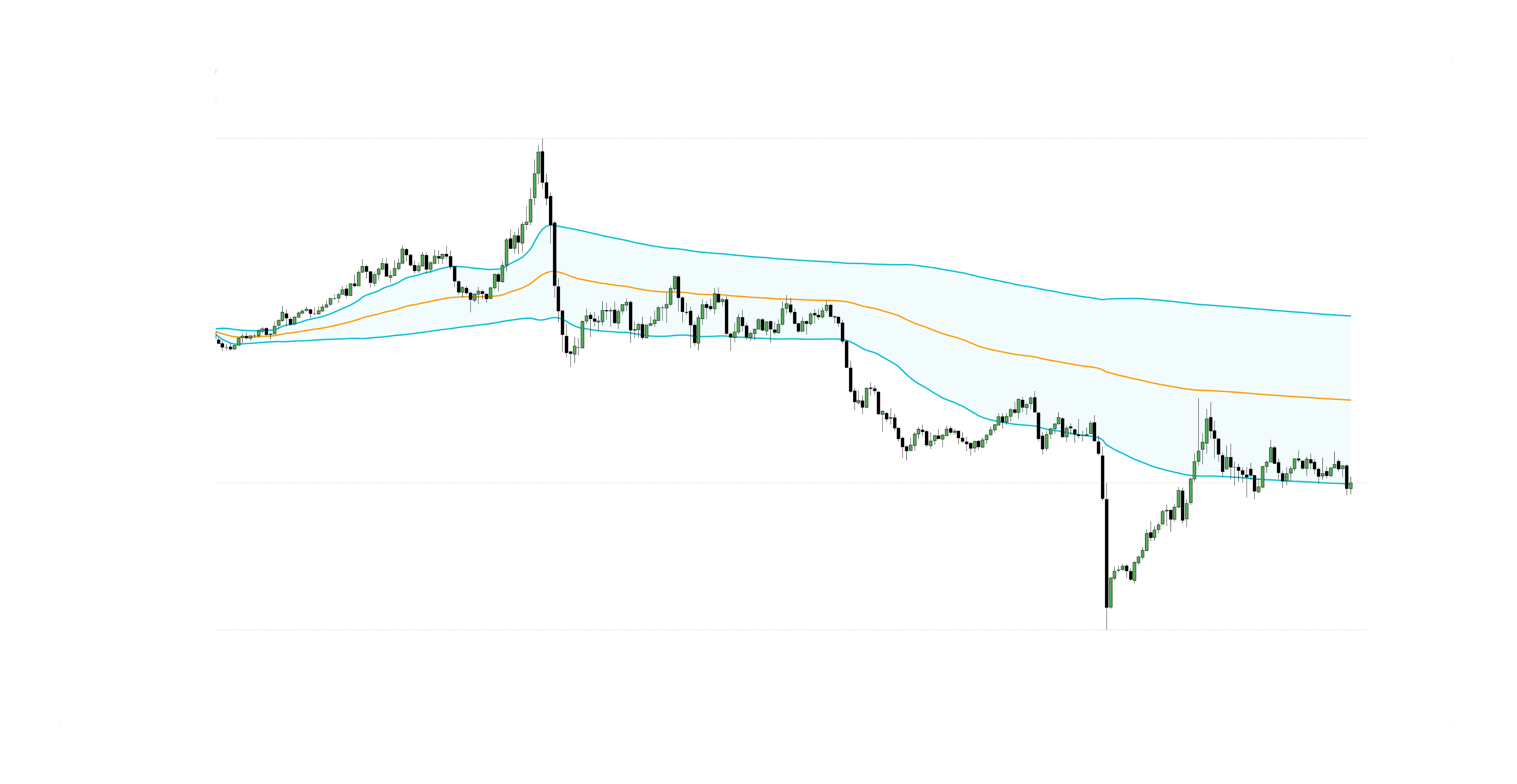
For short-term traders, VWAP provides key insights into market behavior:
- Trend Confirmation: If the price is above VWAP, it indicates bullish sentiment; below VWAP suggests bearish conditions.
- Entry and Exit Points: Traders use VWAP as support/resistance for trade decisions.
- Institutional Footprint: Retail traders track VWAP to understand where large orders might be executing.
Since VWAP resets daily, it remains a highly relevant indicator for gauging intraday momentum and trend strength.
Calculation
VWAP Calculation
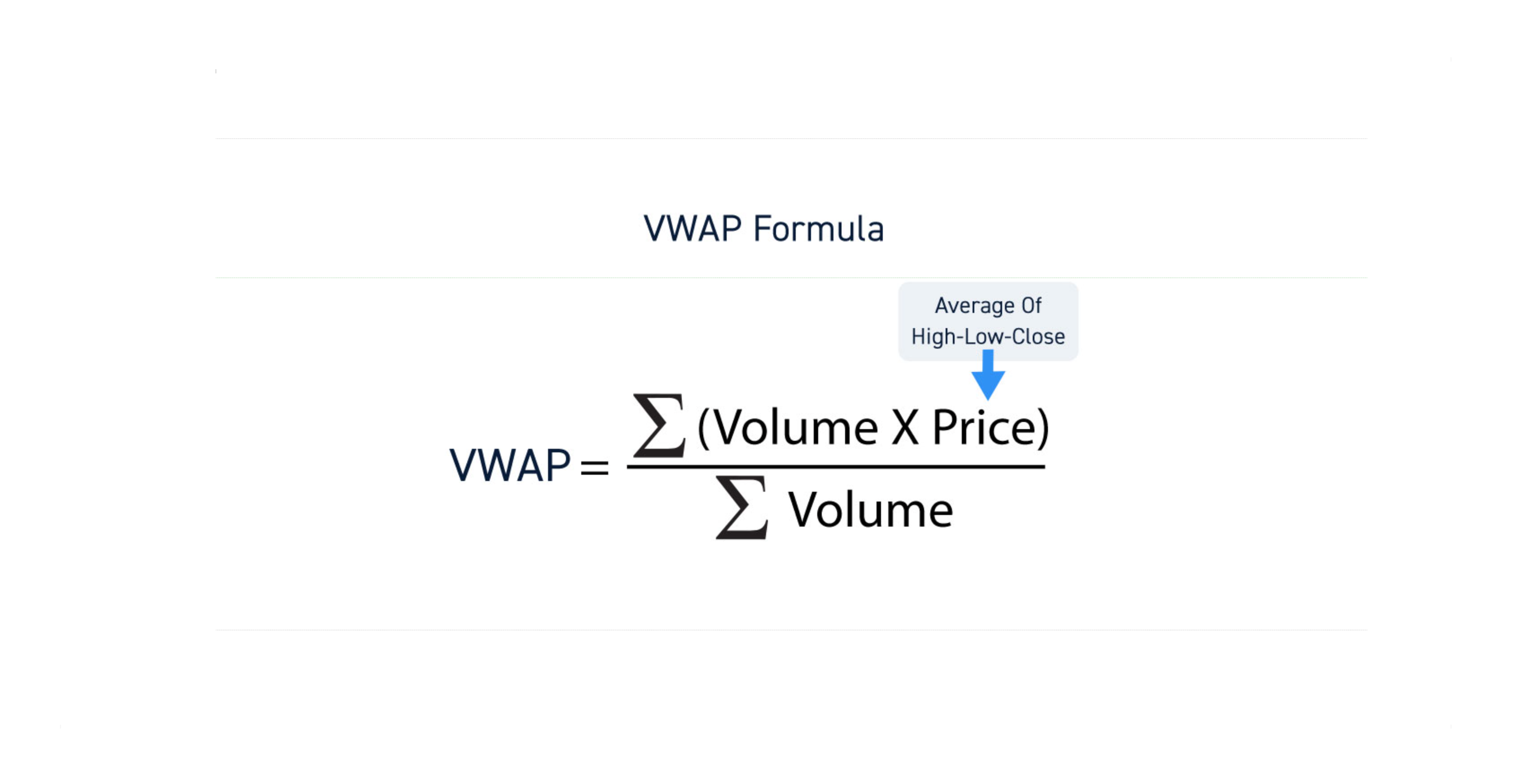
Where:
- Price = (High + Low + Close) / 3 (Typical Price for each period)
- Volume = The total number of shares/contracts traded in the period
Understanding How VWAP is Calculated:
- Calculate the Typical Price (TP): TP = (High + Low + Close) / 3
- Multiply TP by Volume for each time period to get the Cumulative Price-Volume product.
- Sum the Price-Volume values cumulatively throughout the day.
- Divide by the cumulative volume up to that time.
Since VWAP is cumulative from the market open, it resets at the start of each trading day.
Difference Between VWAP and Moving Averages
VWAP
- Volume-weighted
- Resets daily
- Determines fair value in a session
- Reacts to volume spikes
Moving Averages (SMA/EMA)
- Equal-weighted (SMA) or Exponentially weighted (EMA)
- Continuous across multiple sessions
- Identifies overall trend direction
- Reacts to price changes
How to Interpret VWAP
- When the price is above VWAP: It suggests that the market is in an uptrend, and VWAP may act as support if the price retraces.
- When the price is below VWAP: It signals a downtrend, and VWAP may act as resistance if the price attempts to rise.
- Reclaiming VWAP: If the price moves below VWAP but then breaks back above it, this could signal a bullish reversal. The opposite is true for a bearish scenario.
VWAP and Market Trend Identification
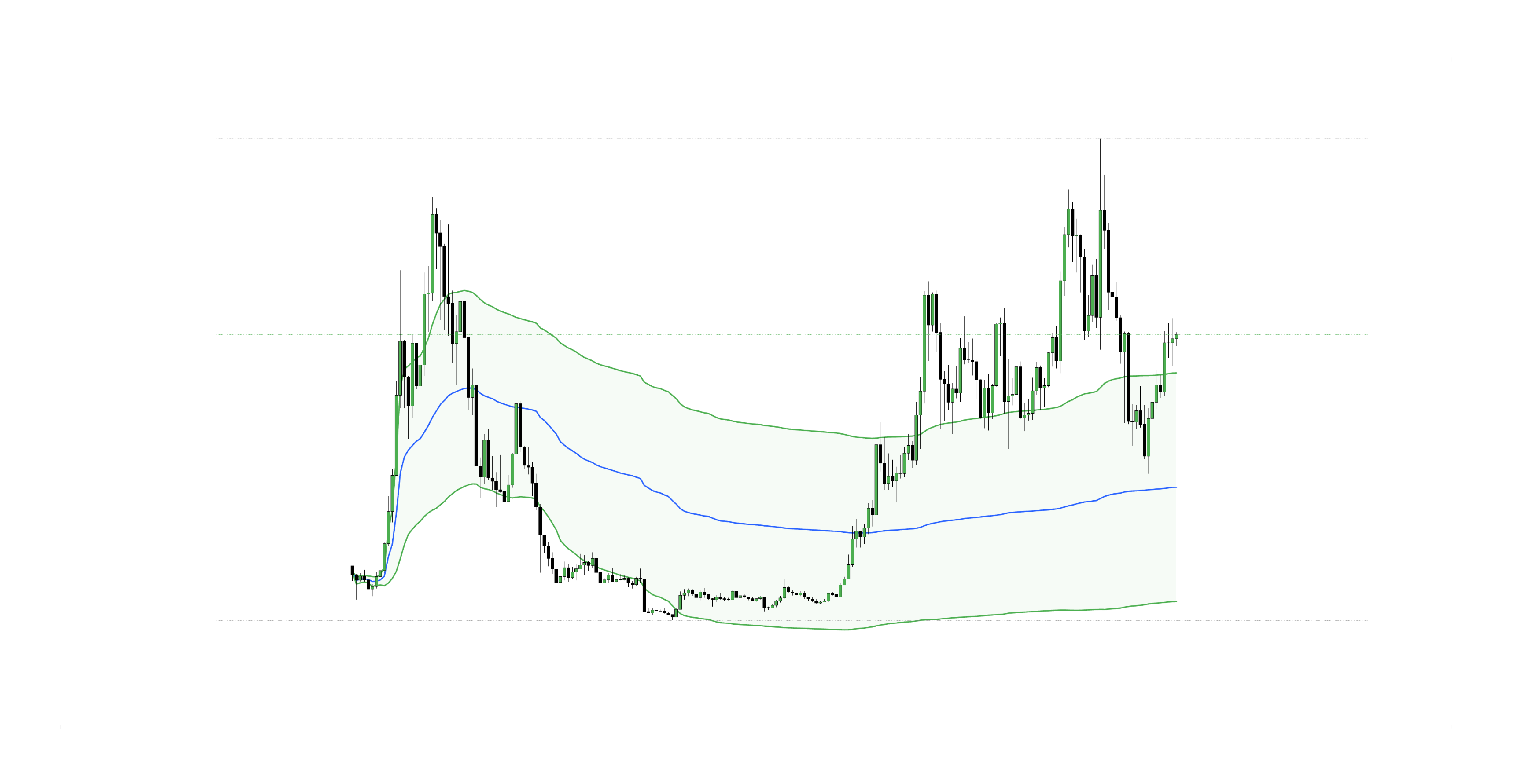
- Uptrend: If the price remains consistently above VWAP and VWAP itself is sloping upward, the market is in an uptrend.
VWAP Uptrend
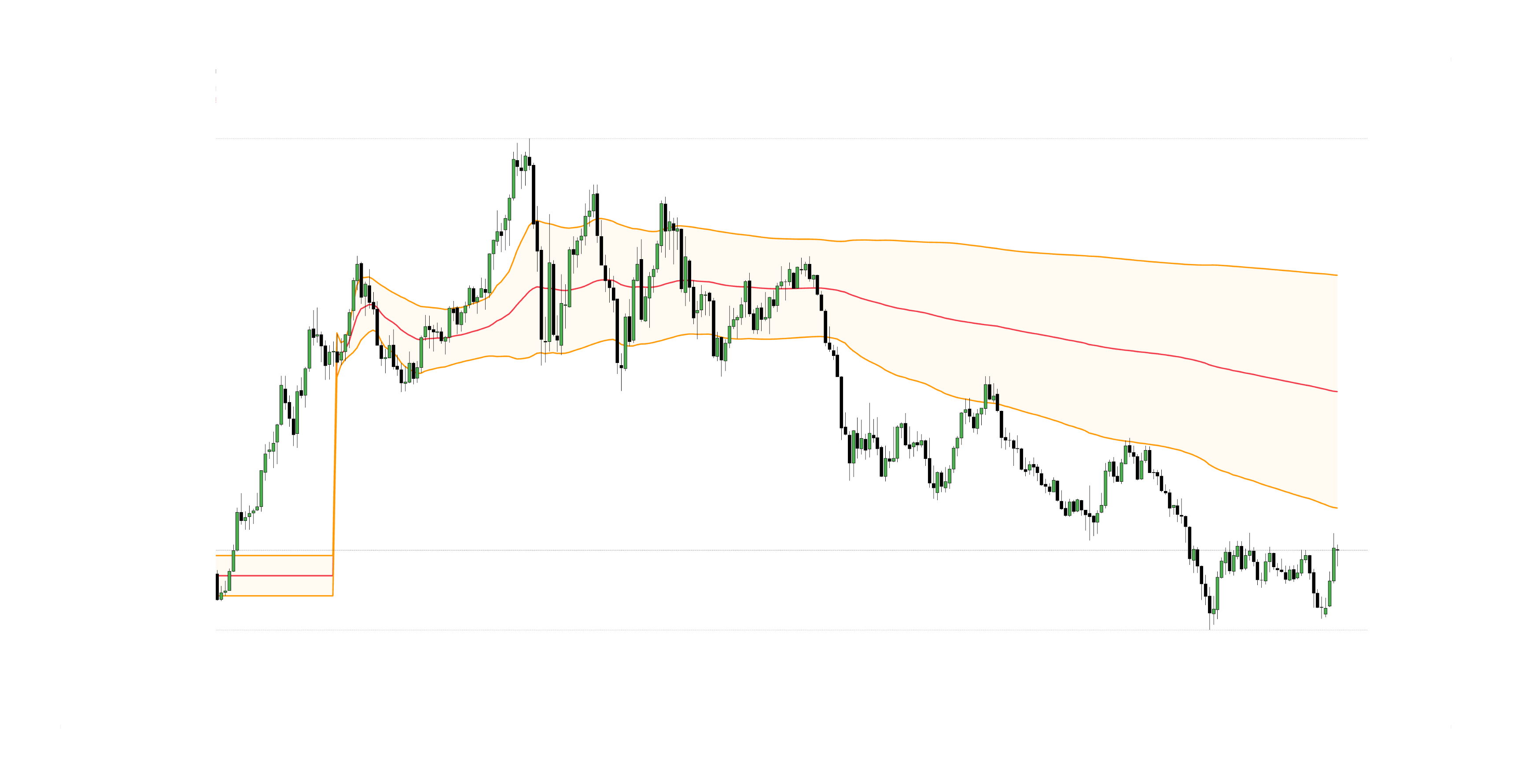
- Downtrend: If the price stays below VWAP and VWAP is sloping downward, the market is in a downtrend.
VWAP Downtrend
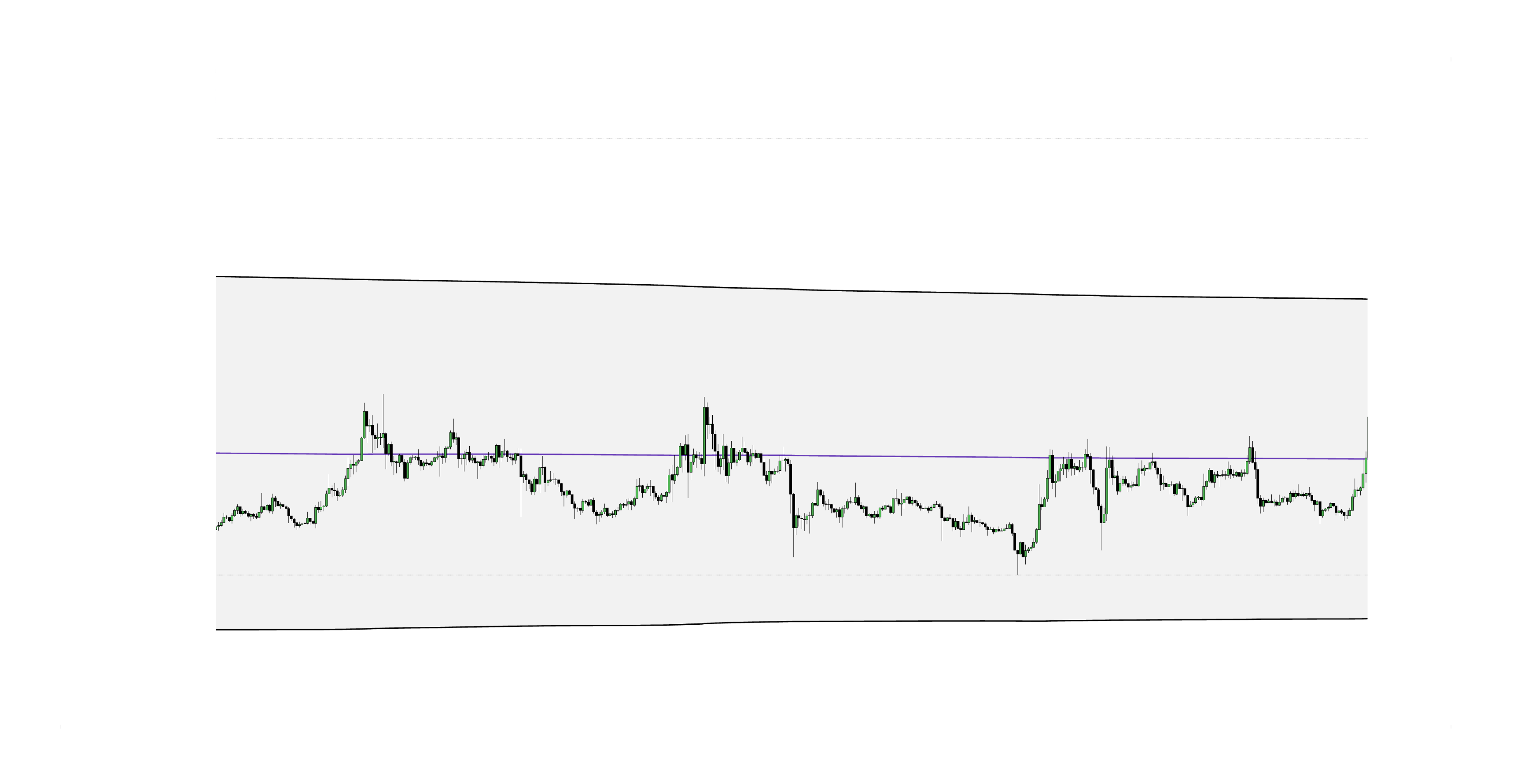
- Sideways Market: If the price oscillates around VWAP and VWAP remains flat, the market is range-bound.
VWAP Sideways
VWAP Standard Deviations (Bands) and Their Significance
VWAP Bands
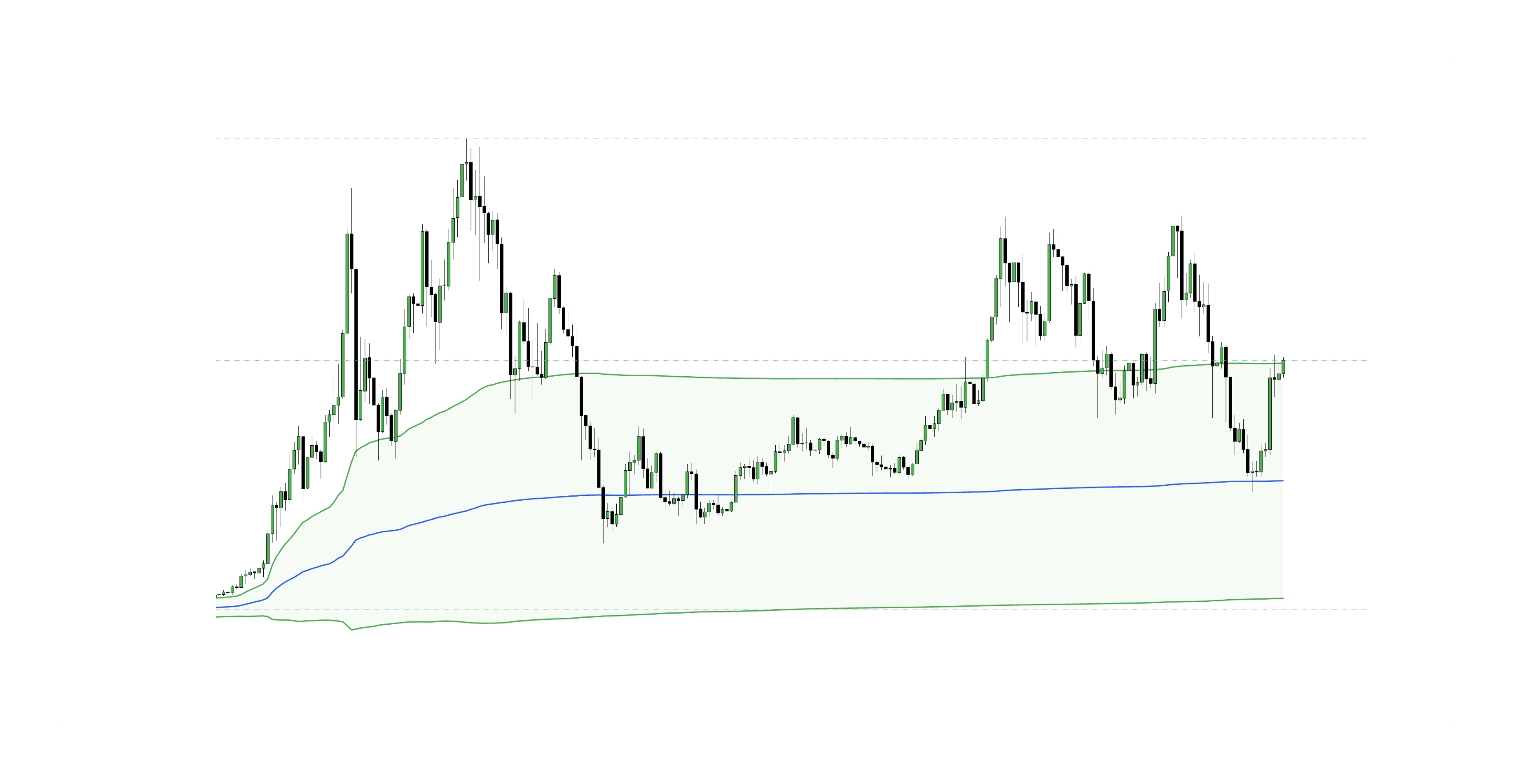
First Standard Deviation (VWAP +/- 1 sigma)
- Represents a normal fluctuation around VWAP.
- Prices bouncing within this range indicate balanced market activity.
VWAP First Deviation
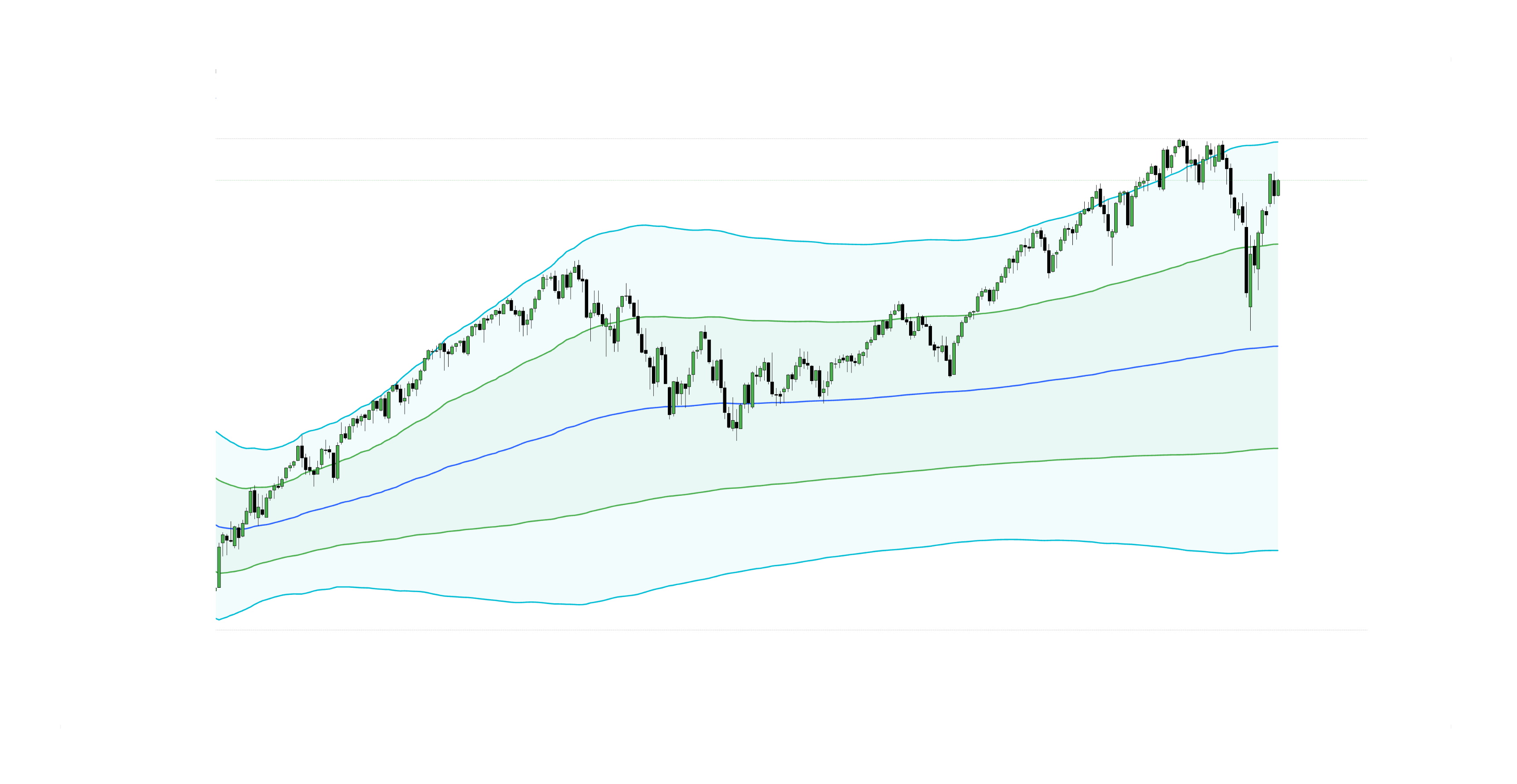
Second Standard Deviation (VWAP +/- 2 sigma)
- Suggests stronger price movement.
- A move beyond this level may indicate an overbought (above VWAP) or oversold (below VWAP) condition.
VWAP Second Deviation
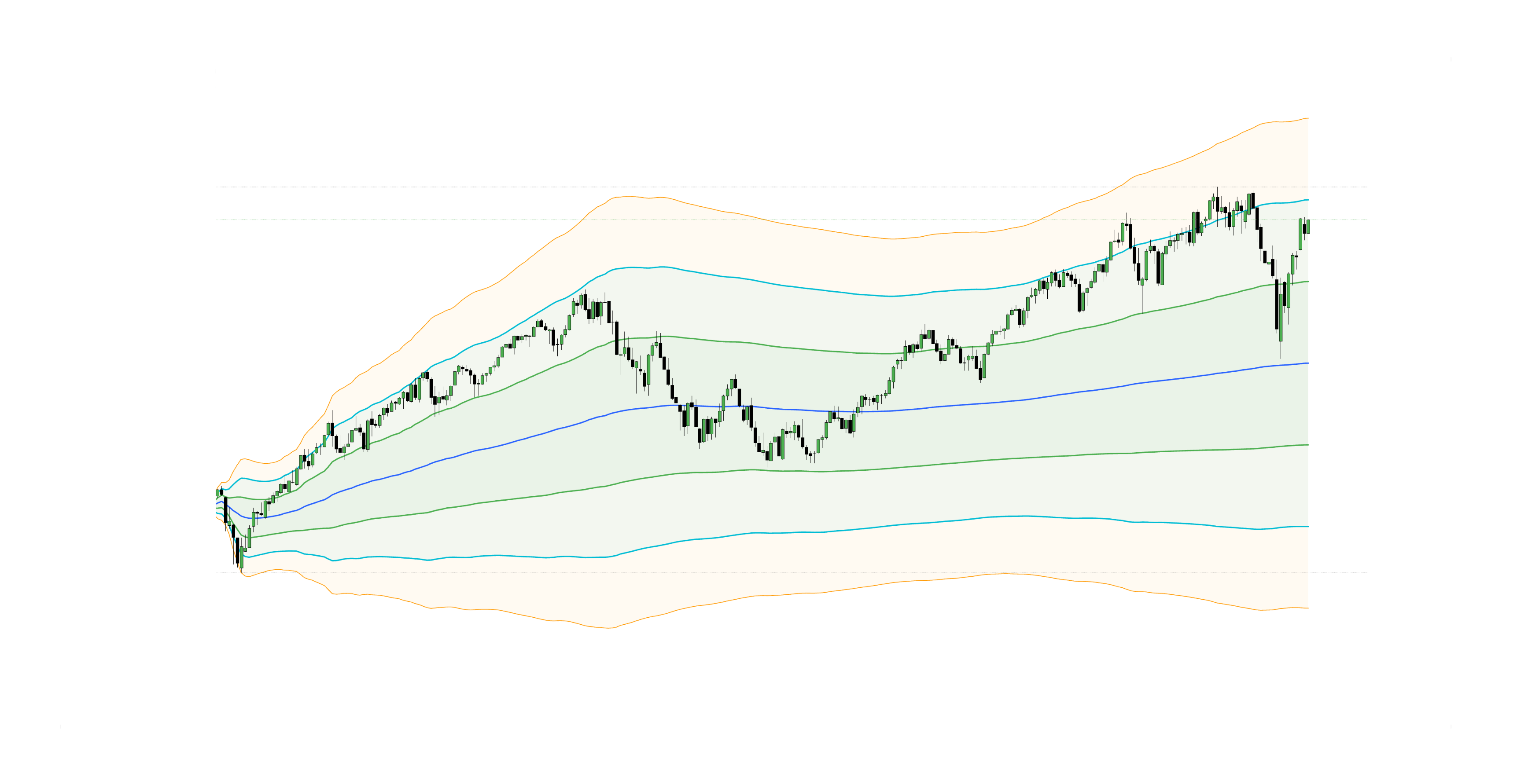
Third Standard Deviation (VWAP +/- 3 sigma)
- Extreme price movement; rarely sustained.
- A reversion back toward VWAP is highly likely.
Misinterpreting VWAP Signals
Many traders assume that VWAP alone dictates market direction. However, simply being above or below VWAP does not automatically mean the market is bullish or bearish. Market structure, momentum, and external factors such as news events or institutional order flows must also be considered.
How to Avoid It:
- Look for Confirmation: Use VWAP in combination with price action and other indicators, such as volume, market structure, and momentum oscillators (e.g., RSI or MACD).
- Check the Trend of VWAP: If VWAP is sloping upward and price is above it, this signals strength. Conversely, a downward-sloping VWAP with price below it indicates weakness.
- Observe Price Interaction with VWAP: If the price consistently bounces off VWAP and continues in the trend direction, it confirms its role as dynamic support or resistance. If the price frequently crosses VWAP back and forth without clear direction, it signals a choppy, range-bound market.
Strategies
VWAP Bounce
- If the price pulls back to VWAP and holds, traders may look for a long entry (in an uptrend) or a short entry (in a downtrend).
- Stop-loss orders are often placed slightly beyond VWAP in case of a trend reversal.
VWAP Breakout
- If the price consolidates near VWAP and then breaks out strongly, traders may enter in the direction of the breakout.
- A sustained break above VWAP signals strength, while a break below VWAP signals weakness.
VWAP as a Reversion Point
- Traders monitor price deviations from VWAP. If the price moves too far from VWAP, a reversion trade back toward VWAP may be expected.
Key Takeaways
- VWAP Represents Fair Value — It calculates the average price of a security, weighted by volume, giving traders insight into where most of the trading activity has occurred.
- Intraday Benchmark — VWAP resets daily and is primarily used by intraday traders and institutions to assess whether prices are trading at a premium or discount.
- Support and Resistance Tool — VWAP often acts as dynamic support in uptrends and resistance in downtrends, helping traders make entry and exit decisions.
- Institutional Trading Guide — Large institutions use VWAP to execute orders efficiently, minimizing market impact and ensuring better fills.
- VWAP vs. Moving Averages — Unlike moving averages, which continue across multiple sessions, VWAP is cumulative from the market open and resets each day.
- Trend Confirmation — Price above a rising VWAP signals a strong uptrend, while price below a declining VWAP suggests a downtrend.
- Avoid Over-Reliance — While useful, VWAP should be combined with volume analysis, price action, and other indicators to avoid false signals.
- VWAP Bands for Overbought/Oversold Levels — Standard deviation bands around VWAP can help identify price extremes and potential mean reversion setups.
VWAP is more than just an average — it's the heartbeat of market sentiment, revealing where true liquidity and fair value align.